Platform / From context to action

Make the next decision with the full picture.

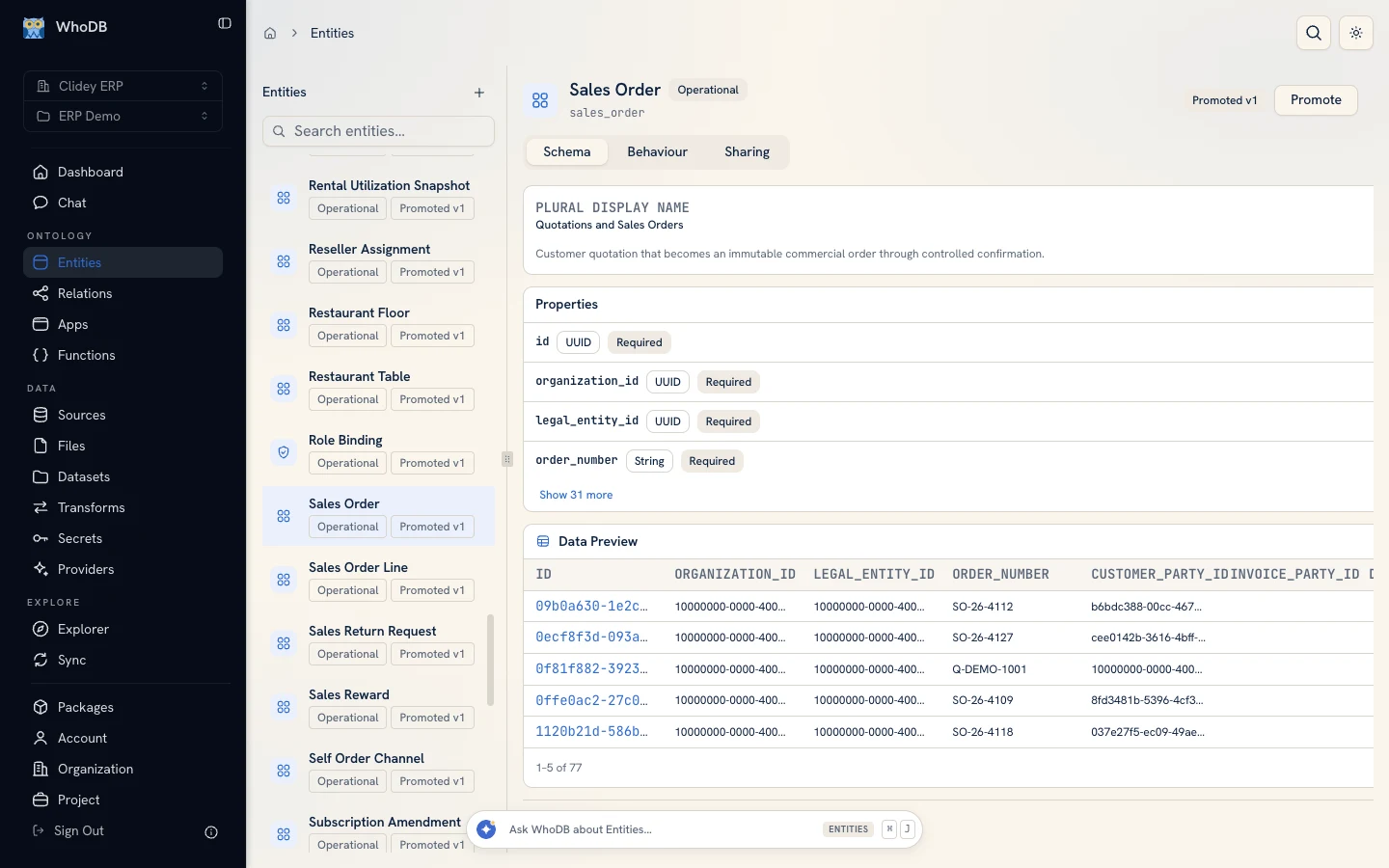
An operational record is easier to use when its definition and dependencies are clear. In the Clidey ERP demo, WhoDB shows the Sales Order schema, sample records, and the app that depends on them.

Clidey ERP Sales Order entity showing its schema and synthetic order records
Clidey ERP synthetic demo · Sales Order schema and sample records.

The connection is the product

One visible path from source to outcome.

Select a step to see how WhoDB keeps the context around the work.

01 / Connect

A source stays identifiable as the team explores it in WhoDB.

Make the data understandable

Give every order a shared meaning.

A sales order is easier to trust when everyone can inspect its definition and the records behind it. The Clidey ERP demo keeps the Sales Order schema and sample data together in one view.

  • A shared Sales Order definition
  • Required fields and data types in view
  • Example records beside the schema
Clidey ERP Sales Order entity with schema and synthetic order records
Live WhoDB capture · Clidey ERP demo · Sales Order entity

See what depends on it

Trace the app behind the order.

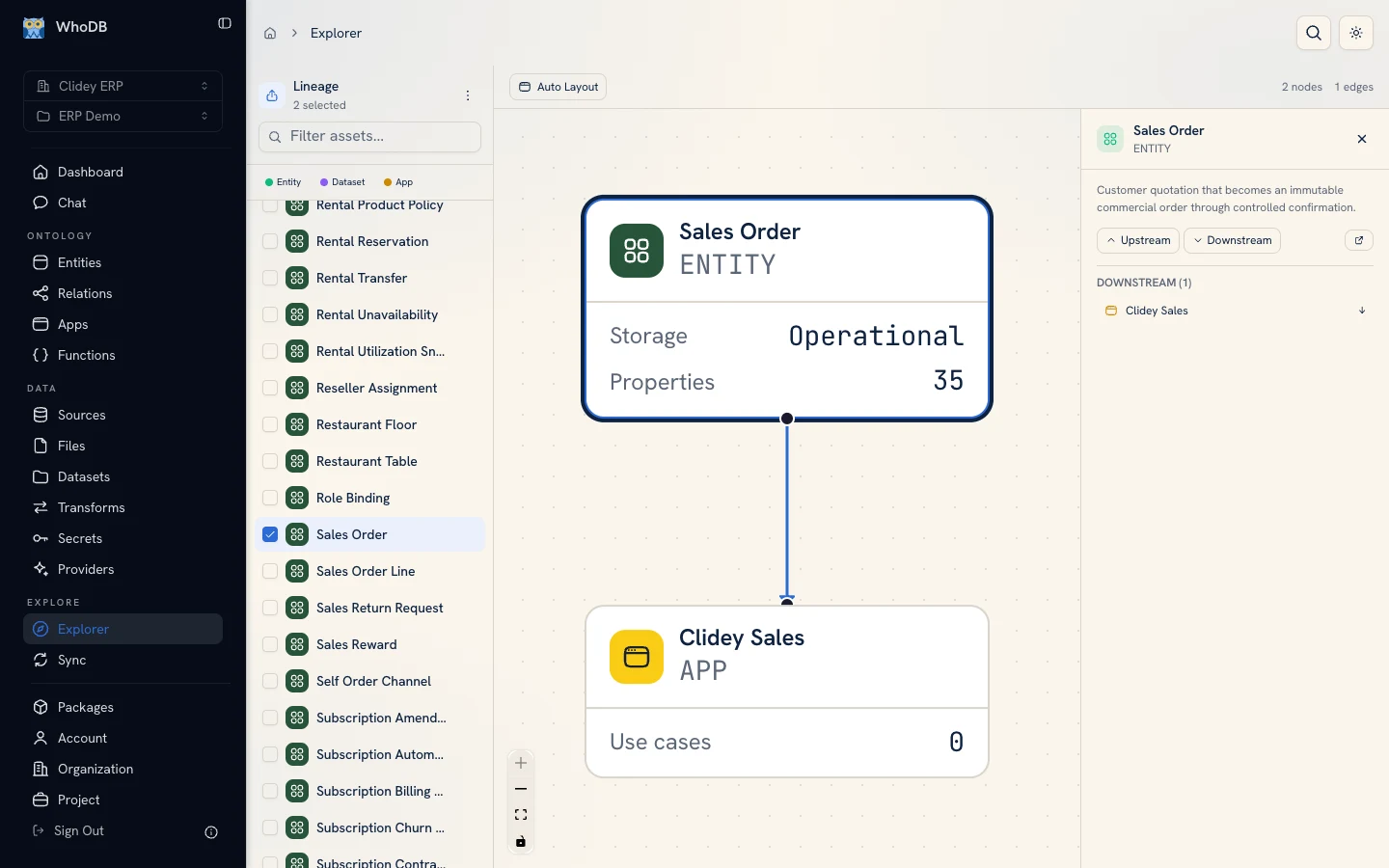
Explorer shows the Sales Order entity and the Clidey Sales app that depends on it. Before changing a shared record, teams can see the application it may affect.

  • Select the business entity
  • Expand its downstream relationship
  • See the connected application
WhoDB Explorer showing Sales Order connected to Clidey Sales
Live WhoDB capture · Clidey ERP demo · Sales Order lineage

Put the model to work

Open the workflow your team needs.

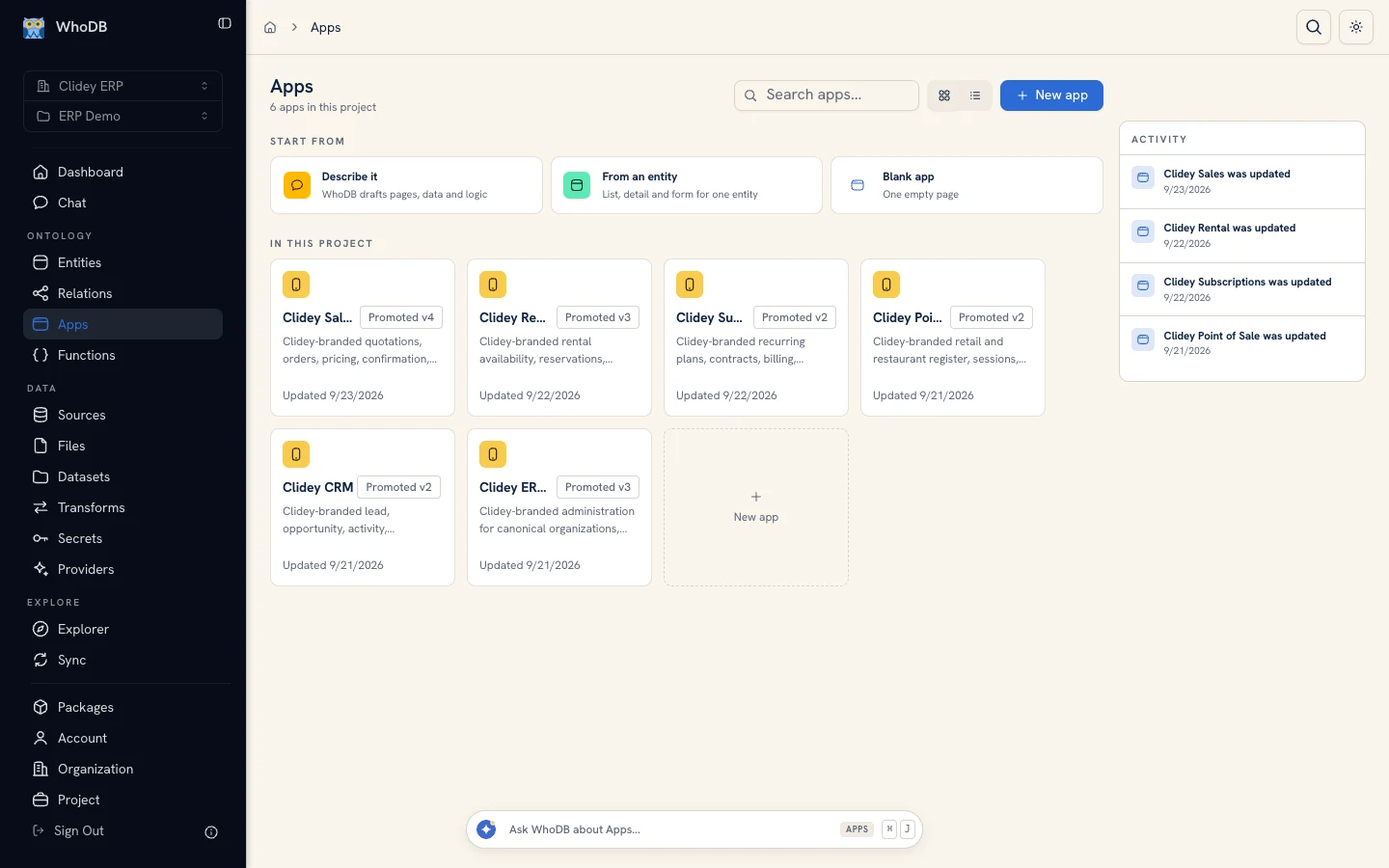
The Clidey ERP project brings six operational apps into one library. Sales, CRM, point of sale, subscriptions, rental, and administration each have a visible place to start.

  • Find the right app in one project
  • See what each app covers
  • Move from a model into an operational workflow
Clidey ERP demo app library in WhoDB
Live WhoDB capture · Clidey ERP demo · App library

Move revenue work forward

Keep orders visible after the quote is accepted.

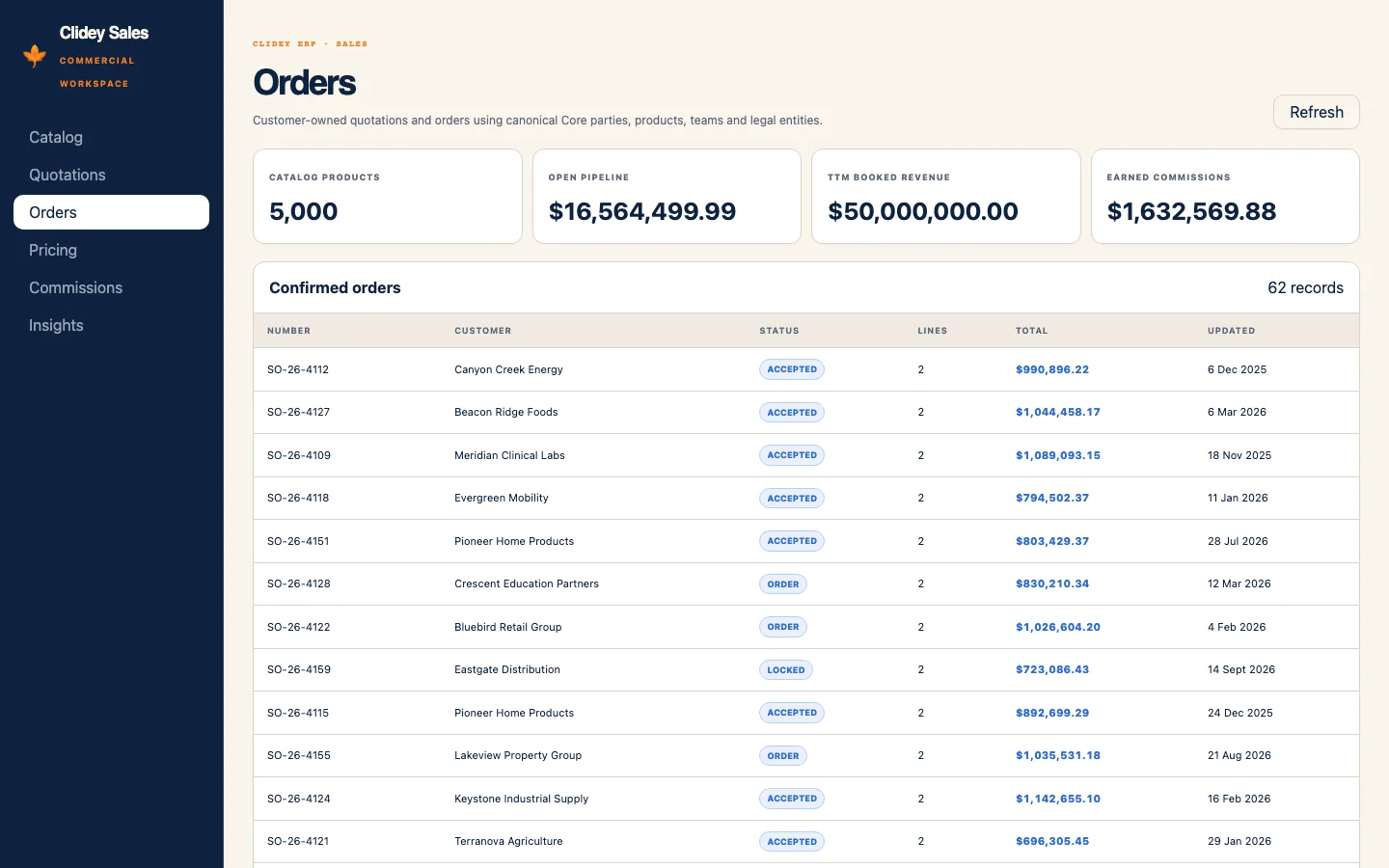
Commercial teams need a dependable view of what was ordered, by whom, and for how much. The Clidey Sales demo puts confirmed orders and their current status in one workspace.

  • Review confirmed orders together
  • Keep status and customer context in view
  • Move from the operational record to the next action
Clidey Sales Orders view with confirmed customer orders and statuses
Rendered Clidey ERP demo app · Synthetic records · Separate commercial scenario

Prioritize the work that matters

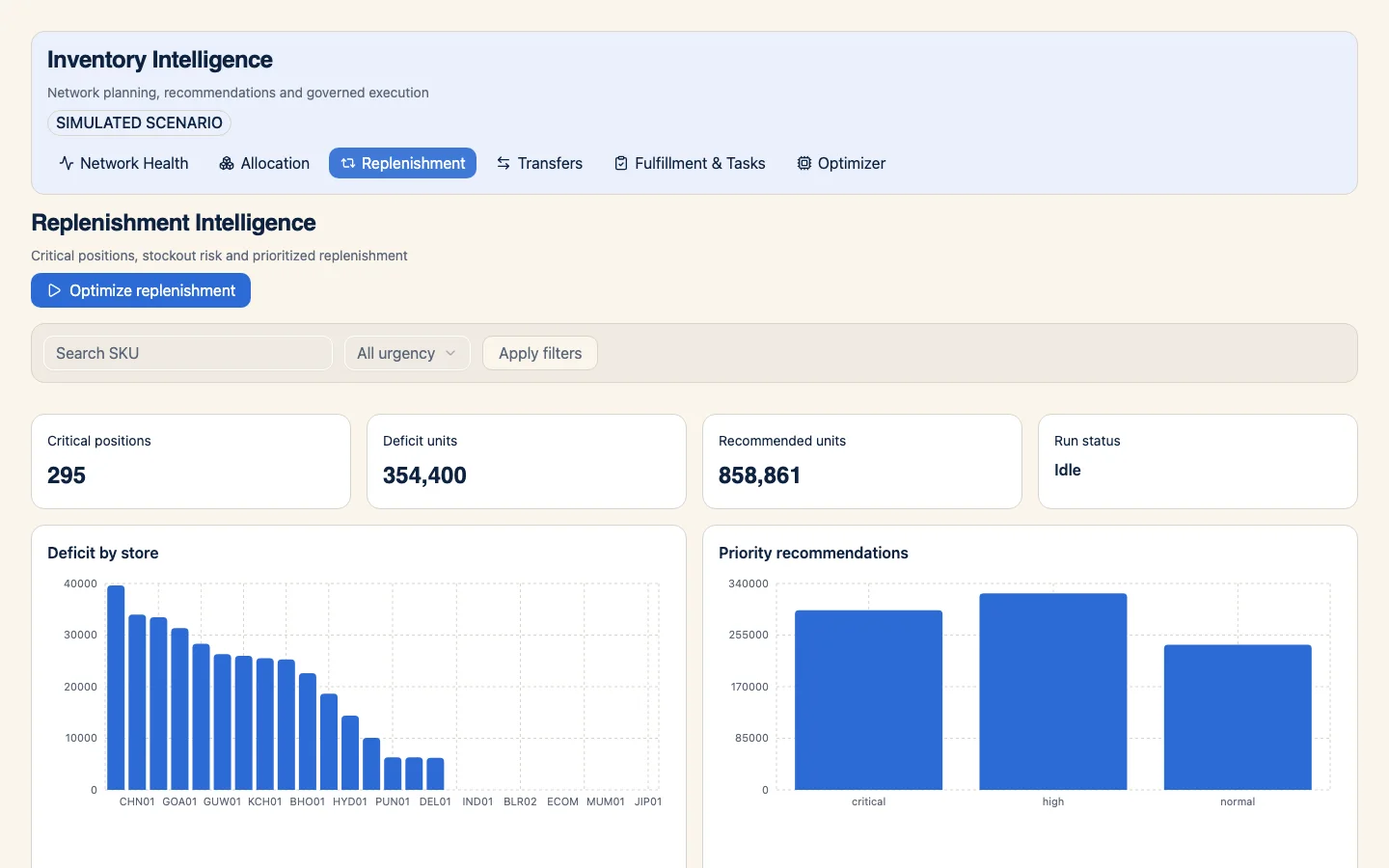
Put stockout risk in front of planners.

A planner can see critical positions, deficit units, and recommended replenishment before choosing where to intervene. The RetailOS demo turns a large inventory picture into an ordered next step.

  • Spot the locations with the largest deficits
  • Compare recommendations by urgency
  • Review the scenario before execution
RetailOS Replenishment Intelligence app showing critical positions, deficits, and priority recommendations
Rendered RetailOS source app · Synthetic scenario · Recommendations shown for review

Make customer work visible

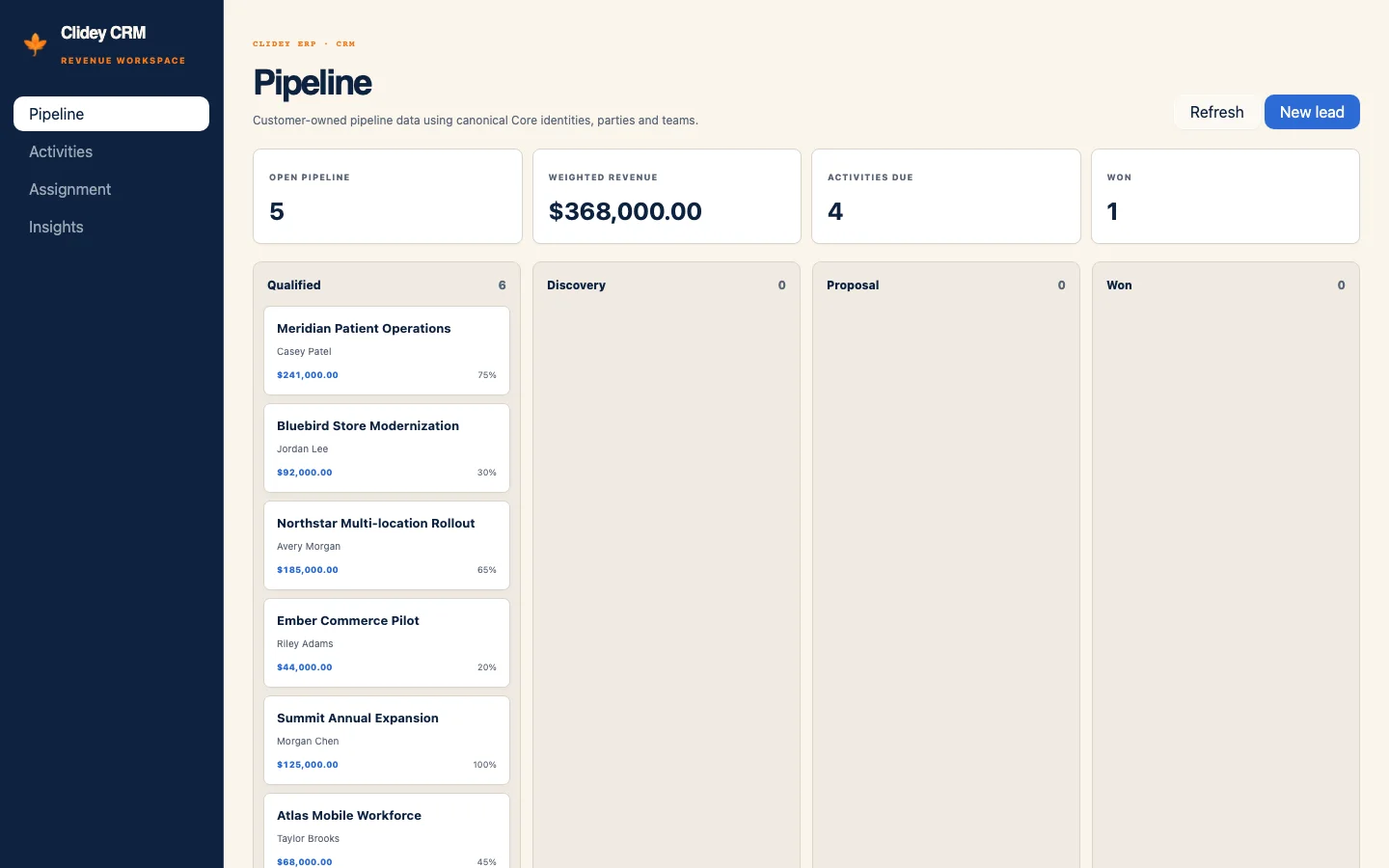
See the sales pipeline as work your team can act on.

Opportunity records only create value when ownership and next steps are clear. The Clidey CRM demo gives the team a shared view of pipeline stages and active deals.

  • See where opportunities are concentrated
  • Review deal status in one place
  • Give account teams a common operating view
Clidey CRM pipeline with opportunity stages and customer records
Rendered Clidey ERP demo app · Synthetic records · Separate CRM scenario

Questions about WhoDB features

What can WhoDB do beyond database browsing?

WhoDB helps teams move from understanding data to putting it to work. Alongside source exploration, you can build datasets and visual transforms, trace lineage, model business concepts, create apps and functions, collaborate, promote versions, and work with an AI data agent.

Can WhoDB work with existing databases without moving the data?

Yes. Connect supported databases in place, explore their structure and records, and run queries without first copying the data into WhoDB. Managed Private deployment is available for teams that need WhoDB inside their own cloud environment.

Does the AI agent have unrestricted access?

No. The agent works within each person's project permissions, checks access before using a resource, and can ask for explicit confirmation before a consequential action.

Run WhoDB where it works for your team.

WhoDB Cloud

A fully managed cloud service hosted by our team—get up and running in minutes.

Managed Private

Deployed inside your private cloud environment, backed by our team for security and maintenance support.

Have custom network or compliance requirements? We'll work directly with your security team on the deployment.